

Muscat (Arabic: مسقط, transliteration: masqaṭ) is the capital and largest city of the Sultanate of Oman. It is also the seat of government and largest city in the Governorate of Muscat. As of 2008, the population of the Muscat metropolitan area was 1,090,797. The metropolitan area spans approximately 1500 km² and includes six wilayats. Known since the early 1st century CE as an important trading port between the west and the east, Muscat was ruled by various indigenous tribes as well as foreign powers such as the Persians and the Portuguese Empire at various points in its history. A regional military power in the 18th century, Muscat's influence extended as far as East Africa and Zanzibar. As an important port-town in the Gulf of Oman, Muscat attracted foreign tradesmen and settlers such as the Persians, the Balochis and Gujaratis. Since the ascension of Qaboos bin Said as Sultan of Oman in 1970, Muscat has experienced rapid infrastructural development that has led to the growth of a vibrant economy and a multi-ethnic society. The rocky Western Al Hajar Mountains dominate the landscape of Muscat. The city lies on the Arabian Sea along the Gulf of Oman and is in the proximity of the strategic Straits of Hormuz. Low-lying white buildings typify most of Muscat's urban landscape, while the port-district of Muttrah, with its corniche and harbour, form the north-eastern periphery of the city. Muscat's economy is dominated by trade, petroleum and porting.
Visits in Muscat
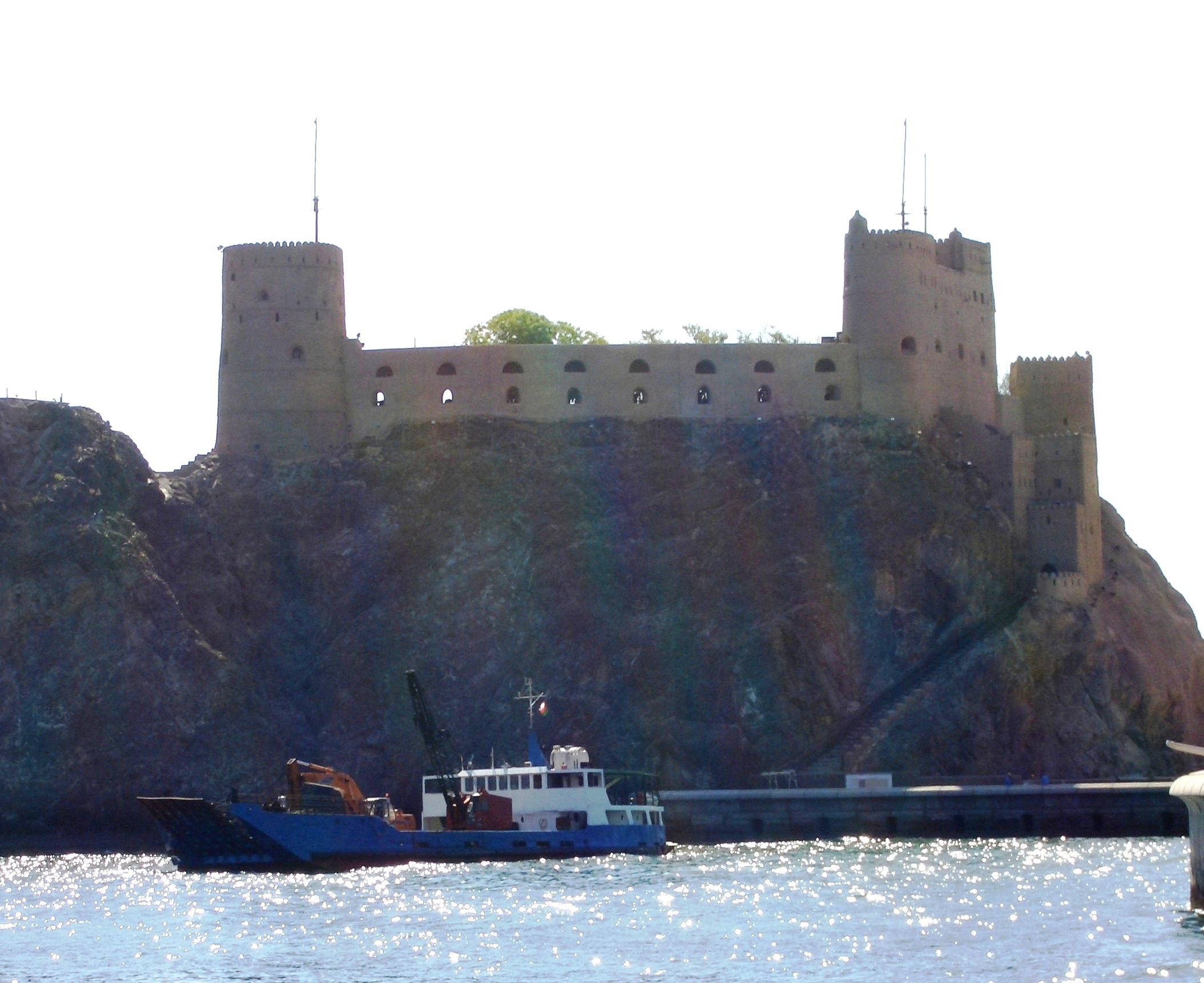
Al-Jalali Castle
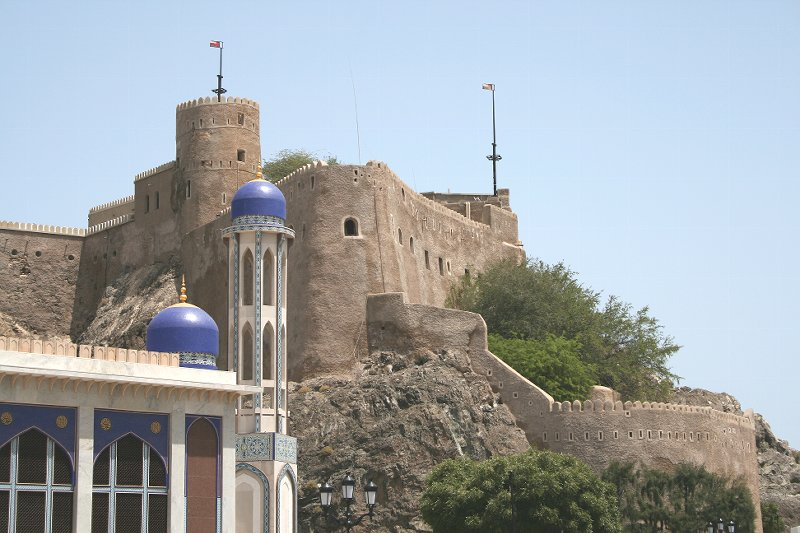
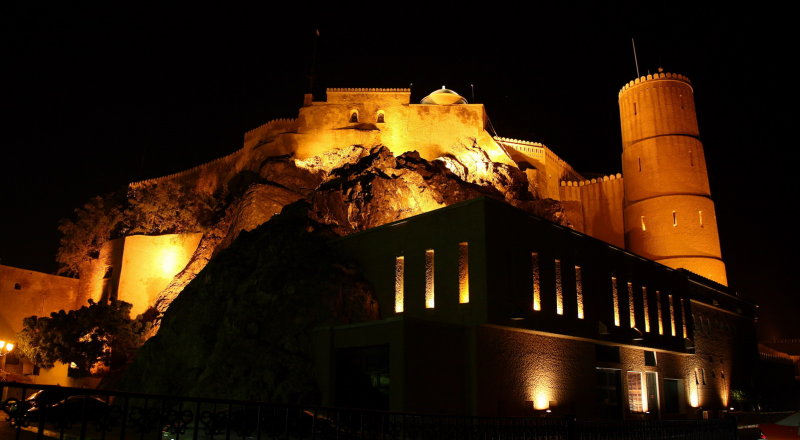
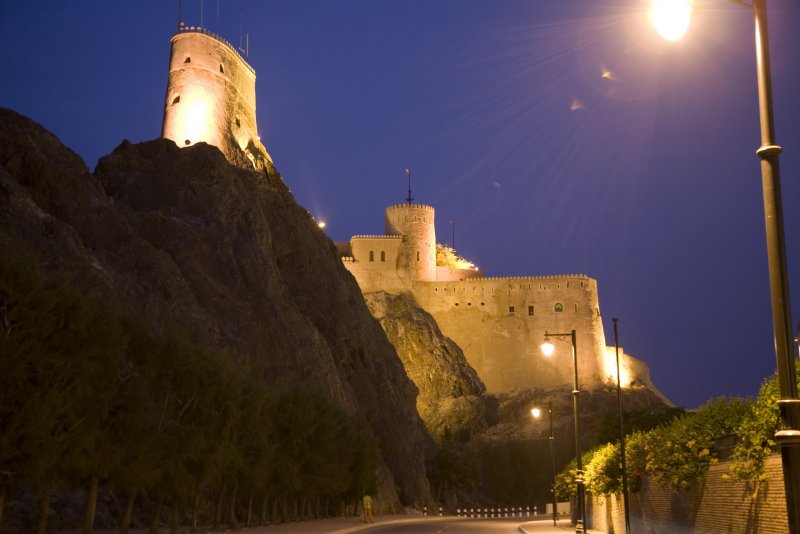
Al-Jalali Fort perches on top of a rock on the eastern side of the old harbor of Muscat, overlooking the majestic Al-Alam Palace. Its name is thought to be derived from the Persian name Jalal. The fort was originally built in the early 16th century by the Portuguese captain Melkior Calaca, with more fortifications and towers being added towards the latter half of the century. Upon its capture by Omani forces in 1650, it was gradually strengthened and rebuilt into its present form. Al-Jalali is fortified by two towers, connected by a long wall with cannon slits. Rainwater was collected in a reservoir. Apart from access over a small bridge and stairway next to one of its towers, the fort is entirely cut off and cannot be reached by land. The fort and its twin Al-Mirani, in conjunction with the formidable defenses of Mutt rah fort and a number of other fortified structures and watchtowers along the rocky ridges of the bay, made Muscat virtually impregnable. They collectively supplemented the old city's natural defenses, the massed rows of rocky hills surrounding the bay. The fort stands as a proud monument to a bygone era of Omani heroism and martial prowess, a life-size museum piece in its original and authentic setting.
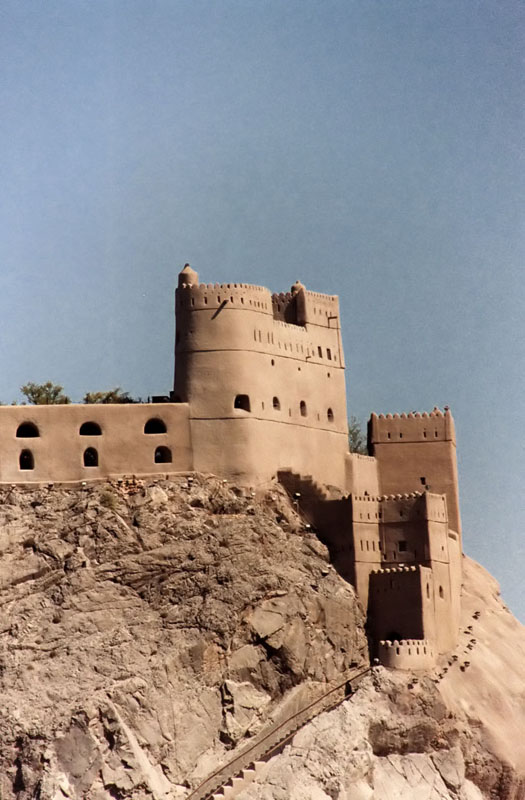
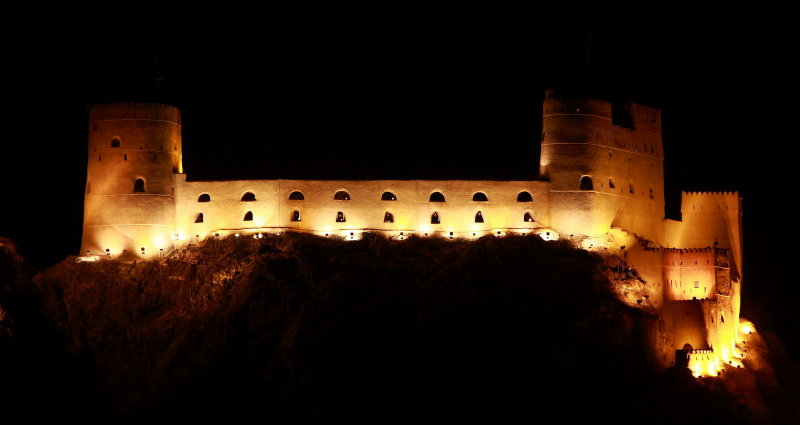
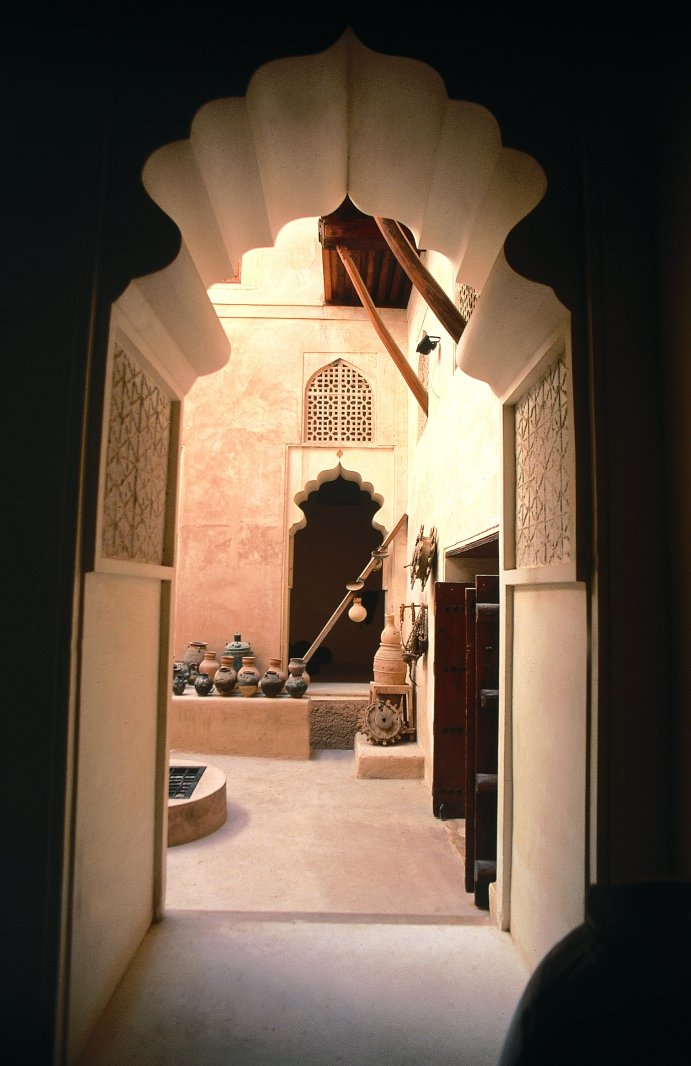
Al-Mirani Castle
The impregnable Fort of Al-Mirani tops the western rocks of Muscat Bay, flanking Al-Alam Palace. It is thought to be named after one of its Portuguese inhabitants. The fort was originally built in the early 16th century by the Portuguese, who used it as their major headquarters during the 60 years of their occupation of Oman. Towards the latter half of the century, they added more fortifications and towers to the fort. In 1610 a dock was constructed at the base of the fortification, equipped with a low-level battering ram to repel attacks from passing ships. In 1650, Omani forces expelled the Portuguese, and gradually rebuilt and strengthened the fort into its present form. Notable features of the fort are its oval-shaped artillery tower, soaring upwards to a height of 26.5 m from its rocky base at sea level, and the complex and confusing network of passages in the interior. The fort and its twin Al-Jalali, in conjunction with the formidable defenses of Muttrah fort and a number of other fortified structures and watchtowers along the rocky ridges of the bay, made Muscat virtually impregnable. They collectively supplemented the old city's natural defenses, the massed rows of rocky hills surrounding the bay.
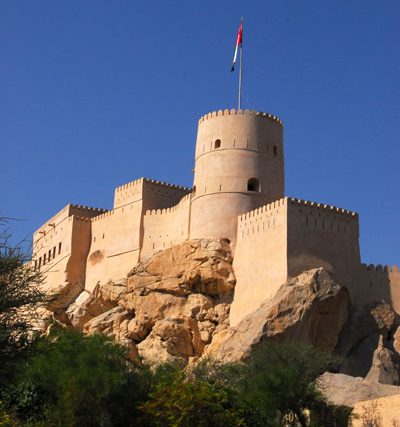
Nakhal Castle
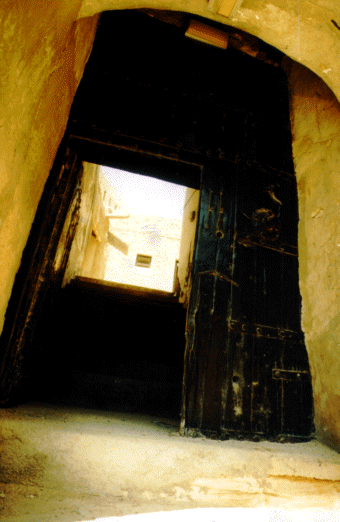
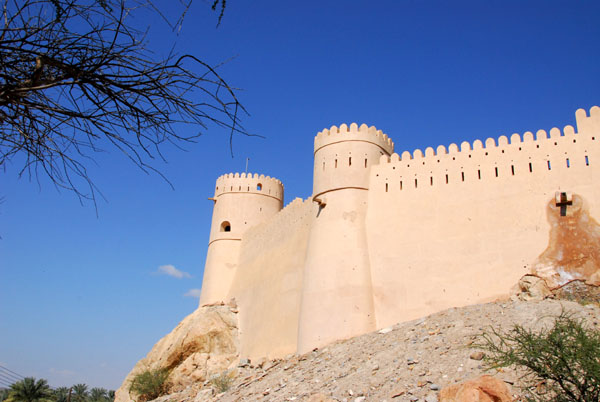
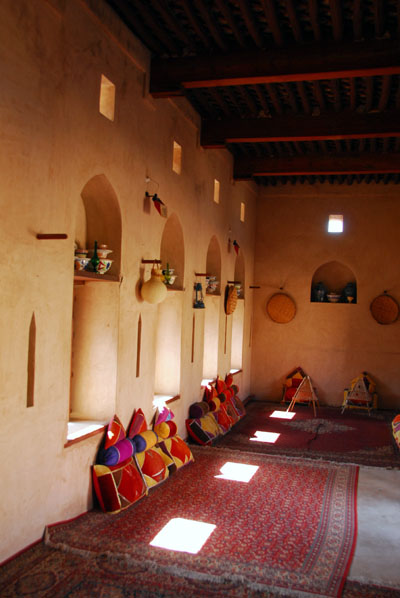
Located in Al-Batina Region, Nakhl Castle sits on top of a 200-metre rocky prominence in the foothills of the Western Hajar Mountains, overlooking the extensive palm groves which surround Nakhl. The castle is believed to date from the pre-Islamic era, and underwent significant renovation in the 9th and 16th centuries during the reigns of Bani Kharous and the Al-Ya'aruba imams respectively. The gate, fence and towers were built during the reign of Sultan Said bin Sultan Al-Bu Saidi in 1834.In 1990, the Castle was restored using traditional building materials and period furnishings. Of the various towers, Al-Wasat Tower (Central Tower) is the most prominent. The castle also features a bridge and contains many rooms for various uses, including the quarters of the Wali, a guard's shelter and soldiers’ rooms.
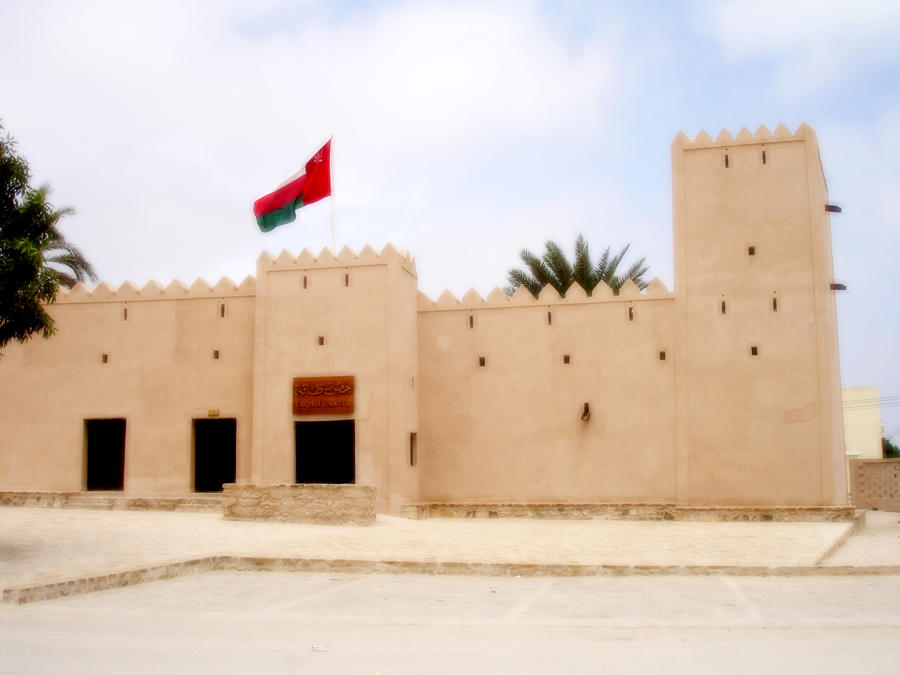
Taqah Fort
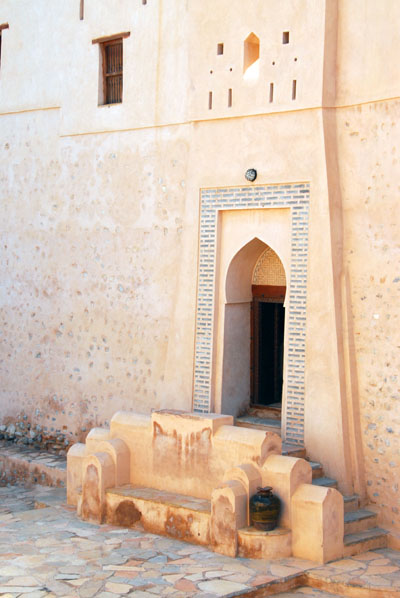
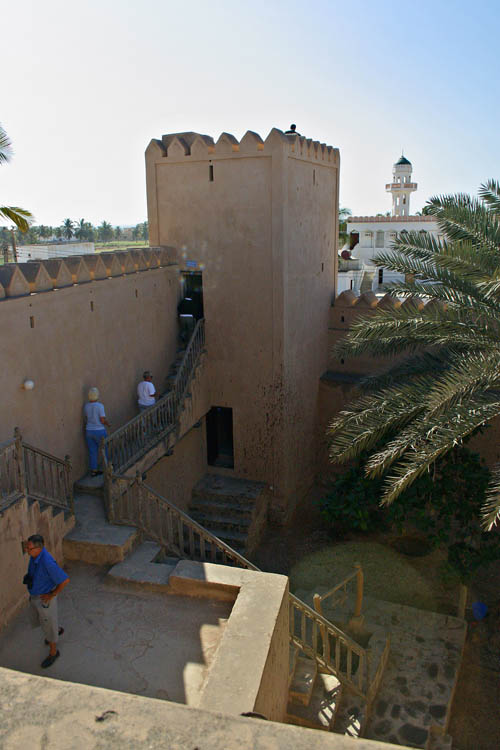
Nestled in the heart of Taqah, a coastal town in Dhofar which is famed for its pottery, silverwork and other artisanat, it is no wonder that Taqah Fort has an artistry of its own. The numerous shuttered windows of the fort are particularly distinctive, being fitted with latticed wooden screens and keyhole-shaped arches.
Book Now
Horizon Expeditions Invites You To Leave The Ordinary Behind And Embrace The Extraordinary. Ready To Explore The Unseen And Conquer The Untamed? Contact Us Today To Join An Expedition Not For The Weak-Hearted, But For Those Seeking Surreal Transformations Through Travel.